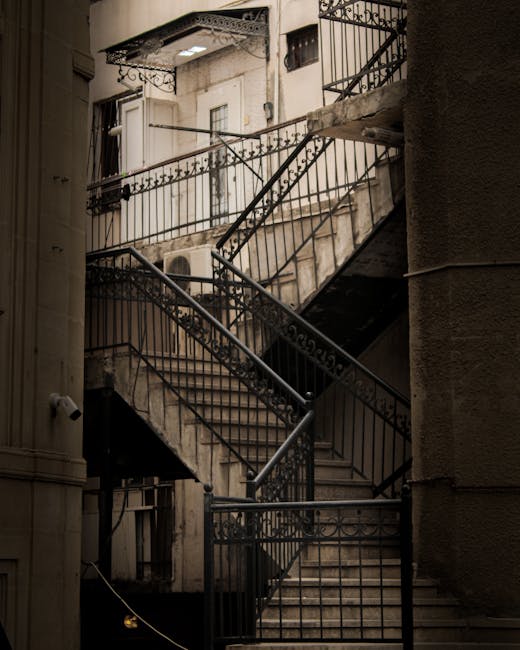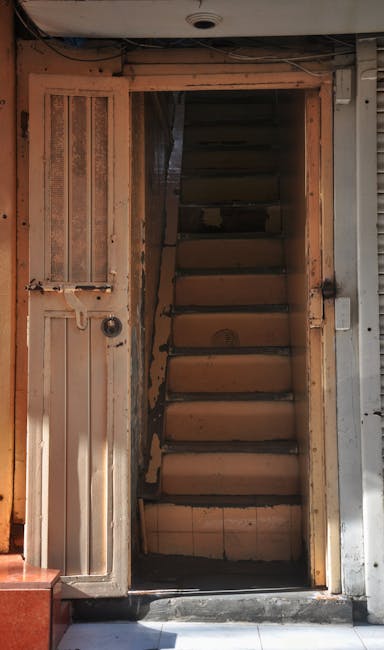
Protecting Belongings in Norbiton Narrow Staircases: A Practical Guide to Safer Moves and Fewer Scuffs
If you have ever tried to get a sofa, wardrobe, or even a boxed set of books up a tight stairwell, you already know the feeling: the slow shuffle, the awkward angle, the quiet worry that one wrong turn will mark the wall or split a corner. Protecting belongings in Norbiton narrow staircases is really about managing that exact risk with a calm plan, the right handling habits, and a bit of common sense. In homes around Norbiton, where older layouts and narrow access points are not unusual, a move can go smoothly or turn into a scratched banister and a bruised knuckle very quickly.
This guide breaks down what matters, how the process works, and what to do before anything heavy starts moving. You will find practical steps, useful comparisons, a checklist, and a few real-world habits that make all the difference. No fluff. Just the stuff that helps.
Why Protecting belongings in Norbiton narrow staircases Matters
Staircases are one of those parts of a home you only notice when they become a problem. In Norbiton, a lot of properties have access routes that are not especially generous, and that creates a simple but stubborn challenge: larger or fragile items need to pass through a space that was never designed for easy handling. That includes furniture, mirrors, televisions, framed art, boxed valuables, musical instruments, and sentimental items you really do not want chipped on the corner because someone misjudged a turn.
Protecting belongings in narrow staircases matters for three practical reasons. First, damage is expensive and annoying. Second, a damaged item is often only part of the issue; the walls, handrails, paintwork, and flooring can take a hit too. Third, narrow access increases the physical strain on the people carrying the item, which raises the chance of dropping it. The space itself becomes part of the risk.
That is why the solution is rarely just "be careful." Let's be honest, everyone says that. What actually helps is preparation: measuring properly, removing obstacles, wrapping the item the right way, planning the angle of travel, and deciding in advance whether the item should even be carried through the staircase at all. Sometimes the safest route is not the staircase. Simple as that.
There is also a time factor. The longer a heavy object is stuck halfway up the stairs while people try to adjust grip and footing, the more fatigue builds up. Fatigue leads to rushing, and rushing leads to scrapes. You can almost hear the little ominous bump against the wall before it happens. Not ideal.
How Protecting belongings in Norbiton narrow staircases Works
The process is a mix of planning, protection, and controlled movement. In practice, it usually follows a few stages. First, you assess the item and the access route. Then you protect the item and the space around it. After that, you move the item slowly, using the most suitable carrying method for the staircase shape.
For most people, the main principle is to reduce friction and uncertainty. That means fewer loose parts, fewer sharp edges exposed, fewer trips up and down carrying extra pieces, and fewer "we'll just see how it goes" moments. Those moments are expensive. Truth be told, they are usually where things start going sideways.
The best approach depends on the item. A wardrobe behaves very differently from a glass table. A mattress is awkward in a narrow stairwell because it bends and catches. A dismantled bed frame might be easy enough, but only if the screws, slats, and connectors are bagged and labelled properly. Small mistakes here can cause big delays later.
A good moving plan normally includes:
- checking the dimensions of the item and the staircase
- protecting corners, handles, and surfaces with wrapping or padding
- clearing the route of shoes, mats, clutter, and anything that could snag
- using the right number of people to control the item safely
- protecting the staircase itself with covers where needed
- moving slowly and communicating clearly at every turn
In the real world, the difference between a smooth move and a tense one often comes down to communication. One person leads, one person follows, and nobody improvises in silence. That part matters more than people think.
Key Benefits and Practical Advantages
Protecting your belongings properly in a narrow staircase is not only about avoiding breakage. It improves the whole move from start to finish. Here are the main benefits people notice quickly.
- Less damage to possessions: Wrapping, padding, and careful handling reduce scratches, dents, and structural stress.
- Less damage to the property: Narrow staircases often have vulnerable walls and banisters, so protection helps prevent paint scuffs and chipped corners.
- Safer lifting: Better planning means fewer awkward lifts and fewer risky twists.
- Faster moving day: A clear route and organised method usually save time, even if the setup takes a little longer at the beginning.
- Lower stress: When everyone knows the plan, the whole thing feels less like a scramble.
There is another advantage that gets missed often: confidence. When you know an item is padded correctly and the staircase has been measured, you move differently. You pause less. You hesitate less. That confidence makes the whole job calmer, and calm is useful when a heavy chest of drawers is hanging over the stair rail by about two inches. Not a moment for guesswork.
Expert summary: In narrow Norbiton staircases, the safest move is rarely the fastest one. Measure first, protect both item and route, and choose handling methods that reduce twisting, dragging, and sudden lifts.
Who This Is For and When It Makes Sense
This topic matters to a fairly wide group of people. If you live in Norbiton and have stairs that feel just a bit too tight for comfort, you will probably recognise the problem already. But it is especially relevant if you are:
- moving house from a maisonette, flat, or older terrace property
- bringing in bulky furniture, white goods, or packed storage boxes
- storing items temporarily and moving them in or out of a home with tight internal access
- transporting fragile, valuable, or sentimental belongings
- helping a relative or tenant move with limited space and limited manpower
It also makes sense any time you are unsure whether a staircase can safely take a particular item. That uncertainty is usually a signal to slow down and assess properly. If a sofa has to be angled at a strange pitch just to clear a handrail, that is the moment to ask whether dismantling it, protecting the walls, or using an alternative access plan would be the smarter call.
To be fair, most people only discover the real issue once they are already halfway through the job. The box is there. The hallway is narrow. The item is too big. And now everyone is standing in a little cloud of cardboard dust wondering who measured what. Better to catch that early.
If you are planning storage as part of the move, a bit of forward planning can help. You can learn more about the business and service approach through the about us page, or make initial enquiries through the contact page if you need a straightforward next step.
Step-by-Step Guidance
Here is the most practical way to protect belongings when narrow staircases are part of the route.
1. Measure the staircase and the item
Start with the basics. Measure the width of the stairs, the landing space, the height clearance, and any tight turns. Then measure the item itself, including any handles, feet, protruding trim, or packaging. The outer box is often larger than the item inside, which catches people out more often than it should.
2. Decide whether the item needs dismantling
If an item can safely be taken apart, do it. Remove legs, shelves, doors, and detachable hardware. Keep screws and fittings together in labelled bags. It sounds tedious, and yes, a little bit of it is. But a well-labelled bag saves you a lot of muttering later.
3. Wrap and cushion properly
Use padding on vulnerable areas first: corners, edges, glass, polished surfaces, and hardware. Blankets, foam, and shrink wrap each have their place. The goal is not just to keep the item clean. It is to stop movement, rubbing, and impact. Loose wrapping that slips halfway through a staircase is almost worse than no wrapping at all.
4. Protect the stairwell itself
Cover bannisters, banister ends, and wall pinch points where needed. Temporary covers or blankets can protect paintwork and wood from accidental contact. If the staircase has a tight corner, treat that as a high-risk point and slow everything down there. That is usually where the scrape would happen, if it is going to happen.
5. Plan the carrying path
Think through the movement before you lift. Who leads? Where will the item be tilted? Which side needs more clearance? Will someone be walking backwards on the landing, or should you pause and re-angle? A quick walkthrough often prevents the sort of mistake that only becomes obvious when the item is already wedged against the wall.
6. Lift with control, not speed
Two or more people may be needed depending on the item. Keep communication simple: "lift," "pause," "turn," "down." No long speeches. No creative directions shouted over a landing. The narrowness of the staircase means even small body shifts matter.
7. Review each turn and landing
Landings can be the hardest part. They often require a pivot, a reset, and a second check on grip. If the item feels unstable, stop. Put it down safely if you can, adjust, and continue. Rushing a landing is one of the easiest ways to nick a wall or lose balance.
8. Check the item and the route afterwards
Once the item is through, inspect it for damage and check the staircase for scuffs or loose coverings. If something did rub, deal with it quickly so it does not become a bigger issue. A tiny mark left unattended somehow always looks worse a week later.
Expert Tips for Better Results
The biggest gains usually come from small habits, not dramatic tricks. Here are a few that genuinely help.
- Use the right gloves: Good grip matters when lifting awkward items. Thin gloves are better than bulky ones for feeling edges and balance.
- Keep a clear landing zone: If possible, leave space at both ends of the staircase so you can turn safely.
- Protect before you move: Once the item is at the stairs, it is too late to start searching for tape.
- Watch the corners: Corners are where fabric catches, cardboard tears, and confidence slips.
- Use softer surfaces for fragile items: Mirrors, framed art, and screens need more than a blanket thrown over them at the last minute.
- Do a dry run if needed: Even a short practice move without the full weight can show where the tight spots are.
One useful habit is to appoint a single person to call the movement. It sounds a bit formal for a domestic move, but it works. Too many voices create hesitation. One calm voice keeps everyone in sync.
If you need reassurance about the service side of things, it can help to review the company background and support pages, including the privacy policy and terms and conditions, especially before sharing personal details or making arrangements.
Common Mistakes to Avoid
Most problems with narrow staircases come from a few predictable mistakes. The good news? They are avoidable once you know what to look for.
- Skipping measurements: Guessing is not a strategy. Not a good one anyway.
- Leaving wrapping until the last minute: This leads to rushed padding and poor corner protection.
- Forgetting about protruding parts: Handles, feet, hinges, and decorative trim are often the first things to catch.
- Using too few people: One person can control some items. Many cannot. Be realistic.
- Dragging instead of lifting: Dragging might seem easier, but it usually increases scratches and loses control.
- Ignoring the staircase surface: Even a small amount of grit or moisture can make footing less secure.
- Trying to force a bad angle: If it does not fit, do not brute-force it. Reassess.
There is also a mental mistake: assuming that because an item is valuable, it should be moved exactly as it is. Sometimes the smart move is to break the task down, dismantle the item, or temporarily store part of it separately. Pride is expensive when you are carrying a wardrobe up a narrow stairwell. Slight exaggeration, maybe. But only slight.
Tools, Resources and Recommendations
You do not need a warehouse full of gear to handle narrow staircases well. A few simple items can make the job much easier.
| Tool or Item | What It Helps With | Best Use Case |
|---|---|---|
| Moving blankets | Cushioning and surface protection | Furniture, doors, polished wood, appliances |
| Corner protectors | Reducing impact on edges | Tables, cabinets, frames, mirrors |
| Strong tape or wrap | Securing padding in place | Wrapped furniture and bundled parts |
| Labelled bags | Keeping screws and fittings organised | Dismantled beds, wardrobes, shelving |
| Gloves with grip | Improving handling and control | Heavy, awkward, or smooth-surfaced items |
| Floor or stair covering | Protecting paint, wood, or carpet | Shared hallways, tight bends, high-traffic routes |
For many people, the most useful resource is not a special product at all, but a realistic plan. That plan should answer a few questions before moving day starts: what is going through the staircase, what needs dismantling, who is carrying, and what is the backup route if the first plan fails? That last one matters more than people expect.
If you are coordinating storage, collections, or a move linked to a home with tight access, it is sensible to begin with the main website and then follow up through the contact details if you need a practical discussion. The point is not to overcomplicate it. The point is to keep control.
Law, Compliance, Standards, or Best Practice
This topic is mostly about best practice rather than a single hard rulebook, but there are still a few important considerations. In the UK, anyone handling items in a domestic or shared access environment should act with reasonable care for both people and property. That means avoiding unsafe lifting, keeping escape routes clear, and not blocking communal stairways longer than necessary.
If the staircase is in a shared building, be considerate of neighbours and any building rules that may apply. Hallways and stairs can be shared spaces, so protecting belongings should also include protecting the route for others. That is just good manners, really, and often expected in practice even when nobody says it out loud.
From a safety perspective, the key principle is to reduce manual handling risk. Heavy, bulky, or unstable items should not be lifted in a way that creates unnecessary strain or loss of control. If a job feels borderline, get help rather than forcing the issue. There is no prize for heroic bad decisions.
It is also sensible to check the terms that apply to any storage or moving arrangement you are using. Clear terms, clear responsibilities, and clear communication help avoid misunderstandings later. If you are sharing personal details, the privacy policy is worth reviewing so you know how information is handled.
Options, Methods, or Comparison Table
There is no single perfect method for every staircase. The right choice depends on the item, the property, and how much room you actually have to work with. Here is a practical comparison.
| Method | Best For | Pros | Limitations |
|---|---|---|---|
| Carry item as a whole | Small to medium items with clear clearance | Fast, simple, fewer parts to manage | Higher risk if the item is bulky or awkward |
| Dismantle before moving | Wardrobes, bed frames, shelving, large furniture | Easier turns, lower collision risk | More prep time, more parts to track |
| Use protective wrapping only | Items that already fit with room to spare | Good surface protection | Does not solve size or turning issues |
| Pause and reposition at landings | Narrow turns and awkward stair geometry | Improves control at risky points | Slower, needs patient coordination |
| Use an alternative route or storage staging | Very large or fragile items | Can reduce damage and stress | May require extra planning or temporary storage |
For most Norbiton homes with challenging stairs, the most reliable approach is a mix of dismantling, wrapping, and slow repositioning at each landing. It is rarely one single trick. More often, it is a sensible combination.
Case Study or Real-World Example
Picture a typical move in a Norbiton flat: a two-person team is bringing in a large chest of drawers and a framed mirror. The staircase is narrow, with a tight bend halfway up and a landing that barely gives enough room to turn. The drawers are wrapped, but the mirror is the real concern because its frame has delicate corners and a polished surface that shows every touch.
The first decision is to clear the stairs completely. Shoes, a laundry basket, and a folded umbrella get moved out of the way. Then the banister edge near the bend is covered, because that is the pinch point. The chest of drawers is tilted slightly and moved first, with one person calling the turns and the other controlling the base. At the landing, they stop, breathe, and reset their angle instead of forcing a fast pivot. Good move. The mirror follows later, carried more upright and padded on both sides.
Nothing dramatic happens, which is exactly the point. No scuffs. No panicked shuffle. No one has to apologise to the wall. That is what good protection looks like in practice: quiet, boring, effective. Not glamorous, but very satisfying.
And yes, sometimes a move looks too simple on paper and then gets awkward at the second landing. That is normal. The trick is not to pretend the staircase is wider than it is.
Practical Checklist
Use this checklist before you start moving anything up or down a narrow staircase in Norbiton.
- Measure the item, including handles, feet, and packaging
- Measure the staircase width, landings, and turning points
- Check whether the item should be dismantled
- Gather blankets, wrap, tape, gloves, and corner protection
- Clear the stairway and landing of clutter
- Protect walls, banisters, and floor edges where needed
- Assign one person to call movements
- Decide how many people are needed for safe handling
- Plan the order of items so the biggest risks go first or last as appropriate
- Pause at tight turns and reassess before continuing
- Inspect belongings and the stair route after the move
Quick takeaway: if you prepare the route well, wrap the item properly, and move slowly at the tightest points, you dramatically reduce the chance of damage. That is the simple version, and honestly the useful one.
Get a free quote today and see how much you can save.
Conclusion
Protecting belongings in Norbiton narrow staircases is not about making a small space feel bigger. It is about working with the space you have, anticipating the awkward spots, and setting up the move so the item and the property both come through intact. Measure early. Protect corners. Keep the route clear. And do not let urgency make the decisions for you.
If there is one thing to remember, it is this: narrow access demands respect. Once you give it that, the whole process becomes more manageable, less stressful, and far less likely to end with a scratch you keep noticing every time you walk past it.
A little care at the start really does save a lot of trouble later, and that is often the difference between a move you forget and one you talk about for the wrong reasons. Keep it steady, keep it sensible, and you will be fine.
Frequently Asked Questions
What is the best way to protect belongings in a narrow staircase?
The best approach is to measure first, dismantle anything that can be safely taken apart, wrap fragile surfaces, protect the staircase itself, and move slowly with clear communication. It is usually a combination of steps rather than one single fix.
Should I dismantle furniture before taking it up narrow stairs?
If the furniture can be dismantled without damaging it, yes, that usually makes the move much safer. Removing legs, shelves, doors, or other detachable parts often gives you the extra clearance needed to avoid bumps and twists.
How do I know if a sofa or wardrobe will fit up the stairs?
Measure the item at its widest and tallest points, then compare those figures with the staircase width, landings, and turning space. Remember to include handles, feet, and packaging. If the fit looks tight on paper, it will feel even tighter in reality.
What should I use to protect walls and banisters?
Moving blankets, padding, and temporary protective coverings are commonly used to reduce scuffs and impact. The key is to cover the pinch points, especially around turns and narrow landings where contact is most likely.
Is it safe to move heavy items up narrow stairs with just two people?
Sometimes, but not always. The right number of people depends on the weight, size, balance, and shape of the item. If it feels awkward or unstable, adding help is usually the safer choice.
What is the biggest risk in narrow staircases?
The biggest risks are losing control, catching an item on a wall or banister, and straining while trying to force an awkward angle. Fatigue can creep in too, especially if the move takes longer than expected.
How can I protect fragile items like mirrors or artwork?
Use strong padding, secure the wrapping so it cannot slip, and keep the item upright and controlled during movement. Fragile items should be carried with extra care at every turn and landing, no exceptions.
Do I need special equipment for a staircase move?
Not always, but basic moving supplies help a lot. Blankets, wrap, tape, gloves, and corner protection are often enough for many domestic moves. For larger or more awkward items, additional planning may be necessary.
What if the item seems too large halfway through the staircase?
Stop and reassess. Forcing it through usually creates damage. Try changing the angle, adjusting the grip, or returning to the landing to rethink the route. Sometimes dismantling or using a different plan is the sensible answer.
Does temporary storage help with narrow staircase moves?
Yes, it can. Staging items or storing some belongings temporarily can reduce congestion and give you more space to move the larger pieces safely. It is especially useful when access is tight and the move needs to happen in stages.
What should I check after moving items through a narrow staircase?
Check the belongings for scratches, dents, or loose parts, and inspect the staircase for wall marks, chipped paint, or damaged coverings. Catching small issues early is easier than dealing with them later.
Where can I find more information before arranging storage or support?
You can review the site's about us page for background, or use the contact page if you want to ask specific questions before making arrangements.